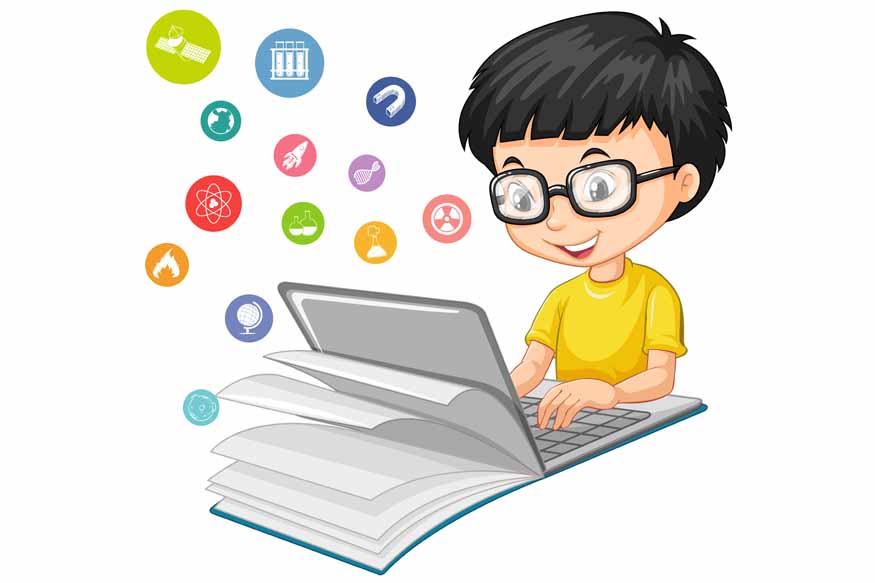
Technology runs through almost every part of a student’s day — and yet many still use it without really understanding it. Computer education helps students move beyond basic technology use by teaching them how to apply digital tools effectively for learning, research, and solving problems. This shift from optional subject to basic requirement reflects how much the world has changed in a relatively short period of time. Students who understand how computers work don’t just perform better in school projects — they carry that confidence into every environment that involves technology, which today means almost every environment there is. By introducing digital platforms early, the best school in Nagpur does more than track modern trends—it actively equips students to lead them.
Why Digital Awareness Matters in Early Education?
Children who grow up around technology don’t automatically understand it — familiarity and comprehension are different things. Introducing digital awareness early gives students a structured way to make sense of the tools they’re already using every day. At this point, digital skills are developed that go beyond simply using a device; they develop self-assurance, autonomous thought, and the capacity to use technology intentionally rather than just naturally. Good tech habits don’t just happen by accident. That is why many modern campuses, including a school in Nagpur, are building specific digital skills into their standard school plans. Students who understand how technology supports learning and problem-solving are far better equipped than those who simply know how to use it.
Building Strong Academic Foundations with Technology
Classroom learning looks different from what it did even a decade ago. Computer skills for students have moved from a separate subject into something that runs through how most topics are now taught and explored. Thanks to digital technologies, a topic that is difficult to understand on paper usually makes more sense when it can be visualised, interacted with, or examined. Schools that include this into regular instruction are improving rather than replacing conventional approaches.
How Technology Improves Classroom Learning?
Smart boards, online resources and digital presentations have changed how difficult topics get explained — what once took several attempts to get across can now be shown visually in a way that clicks faster. Technology in education is most effective when it is integrated directly into lesson delivery instead of being included as a separate add-on. Schools that have made this shift are seeing students engage more actively, ask better questions and hold onto information longer — because the learning experience itself has become more interesting.
Developing Logical Thinking and Problem Solving
Technology education does something that goes beyond teaching students how to use a device — it trains them to think logically and approach problems in a structured way. Breaking a problem down, identifying what’s causing it and working toward a solution step by step are habits that computing naturally builds. Many schools introduce basic concepts during the admission stage precisely because this kind of reasoning develops best when it starts early, and the benefits show up not just in exams but in how students handle real situations that require clear thinking.
Preparing Students for Future Careers
Every field students might enter now involves some level of digital understanding — making it less of an advantage and more of a baseline requirement. Students who arrive at higher education already comfortable with technology don’t need to spend time catching up. Learning tech early at the best school in Nagpur helps children pick up digital skills naturally before they face real-world pressure.
Making Learning Faster and More Effective
There has never been quicker access to information, and students who are adept at using it have a real advantage when it comes to their research and study. Computer education builds exactly this — not just the ability to find information but the judgement to evaluate and use it effectively. Digital libraries and online platforms that many schools now incorporate give students the ability to explore topics far beyond what any single textbook covers. Introducing these habits at CBSE school admission does more than set expectations—it actively prepares students for immediate academic success.
Using Digital Tools to Promote Creativity
In addition to learning material, students can use technology to express their creativity. It enables students to develop projects, make presentations, and investigate novel concepts. Students are encouraged to use digital tools for creative work in many courses. In order to support students’ development of both technical and creative skills, many educational institutions urge maintaining a balance between academics and creativity.
Understanding Responsible Use of Technology
Spending more time online makes understanding how to use it safely just as important as knowing how to use it effectively. Responsible behaviour, protecting personal information and recognising what to avoid online are skills that don’t develop automatically. Schools that teach digital safety and ethics are helping students become aware of important issues they might otherwise overlook. During the CBSE School Admission process, highlighting online safety does more than establish classroom rules—it actively equips students to build healthy digital habits from day one.
Enhancing Collaboration and Teamwork
These days, group work looks different because collaboration doesn’t have to take place in the same space thanks to shared documents, online tools, and digital platforms. Computer skills for students that include working in these environments build more than technical ability — they develop communication and teamwork in a format that mirrors how most workplaces actually operate today. Through collaborative digital assignments, a leading school in Nagpur does more than teach technology—it actively equips students with teamwork habits built for long-term success.
Connecting Learning with Real-World Applications
Students often learn better when they can connect lessons to real-life situations. Technology in education helps bridge this gap by showing practical uses of classroom knowledge. Schools focus on applying theoretical learning through digital projects and simulations. This approach ensures that students not only study concepts but also understand how they are used in real-world scenarios.
Building Confidence in a Digital World
Confidence with technology doesn’t come from simply having access to it — it comes from being taught how to use it properly. Technology education that guides students step by step builds the kind of comfort that makes digital tools feel natural rather than intimidating. At CBSE schools in Katol Road, practical learning is built into how students engage with technology, developing independence and the ability to handle digital tasks without hesitation. That confidence carries forward into higher education and every environment that follows. Visit to know more about importance of computer education
FAQs on Why Computer Education Is Essential for Students in the Digital Age
1. Why is computer education important?
It helps students learn effectively and prepares them for future academic and professional opportunities.
2. How does it help in school learning?
It improves understanding through interactive learning methods, research, and practical activities.
3. When should students start learning computers?
Starting at an early age helps students become comfortable with technology and develop useful skills gradually.
4. Does it help in careers?
Yes, it equips students with knowledge and abilities that are valuable in many modern professions.
5. Does it build confidence?
Yes, it encourages independence, problem-solving, and the ability to use technology effectively.
Conclusion
In the upcoming years, technology’s importance in education will only increase. For students to flourish in a world that is becoming more interconnected, they must have a strong understanding of digital tools. Schools that include contemporary teaching techniques assist students in adjusting to shifting demands in their education and careers. Students receive practical information that helps their general development, enhance their problem-solving skills, and build confidence when given the proper direction and learning environment. These skills help students succeed academically and set them up for success in the future. Digital awareness and technology knowledge ultimately become important lifelong abilities that enable students to prosper in modern society.
At Centre Point School, learning focuses on preparing students for a technology-driven future with strong academics and practical understanding. As one of the trusted CBSE Schools in Katol Road, it helps students build confidence, digital awareness, and essential life skills through a balanced approach. Parents often prefer structured learning and overall development. At Centre Point School, students grow in a supportive environment that encourages curiosity and future readiness. Enquire Now for admission details.